Why Dozens of Solar Companies Are Going Bankrupt Across the U.S. and Hawai‘i
From Kaua‘i to California, the solar industry is facing a wave of financial collapses. Learn what’s driving the bankruptcies, how it affects homeowners, and what the future of solar looks like.
A BRIGHT INDUSTRY UNDER PRESSURE
Solar energy has long been a symbol of progress clean, renewable, and increasingly affordable. Yet beneath the surface of the booming solar industry, hundreds of installation and energy companies have quietly gone bankrupt or closed their doors.
From large national players to small island installers in Hawai‘i, this financial wave is reshaping how people view solar investments.
The question is: why are so many solar companies failing now, just when renewable energy seems more necessary than ever?
THE CORE REASONS BEHIND SOLAR COMPANY BANKRUPTCIES
Solar energy has long been a symbol of progress clean, renewable, and increasingly affordable. Yet beneath the surface of the booming solar industry, hundreds of installation and energy companies have quietly gone bankrupt or closed their doors.
From large national players to small island installers in Hawai‘i, this financial wave is reshaping how people view solar investments.
The question is: why are so many solar companies failing now, just when renewable energy seems more necessary than ever?
Rising Interest Rates and Financing Challenges
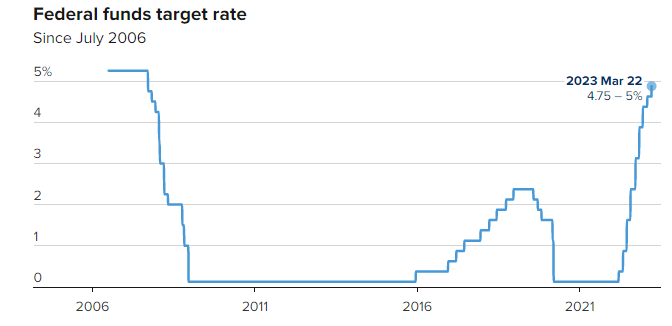
Solar companies depend heavily on financing. Most customers don’t pay for their systems upfront — they rely on loans or payment plans. When interest rates rose sharply in 2023–2024, the cost of financing solar projects skyrocketed. Suddenly, monthly payments became less attractive, sales slowed down, and installers saw their cash flow dry up. For smaller solar firms with limited reserves, that alone was enough to push them toward insolvency.
Cash Flow Gaps and Payment Delays
Many installers front the cost of panels, inverters, and labor long before receiving full payment. In some cases, lenders or financing partners take 60–120 days to release funds after installation. That delay creates serious cash-flow strain — especially for companies that operate on thin margins or rapid scaling. When multiple projects stall, it becomes a domino effect: unpaid vendors, halted installs, layoffs, and eventually bankruptcy.
Policy and Incentive Changes
Solar incentives are powerful — but they can also be unpredictable. For example, policy shifts in major markets like California’s Net Energy Metering 3.0 dramatically reduced the financial return on rooftop solar. Similar changes in other states led to a sudden slowdown in demand. Companies that had expanded aggressively expecting steady growth suddenly faced empty pipelines and unsold inventory.
Overspending and Overexpansion
Many of the companies that failed had grown too fast. To outpace competitors, they opened multiple offices, hired large sales teams, and offered “zero-down” deals that depended on future profits. When market conditions changed, those commitments became unsustainable. It’s a pattern seen repeatedly — from SunEdison’s massive 2016 collapse to regional installers like Kuubix Energy and Sunworks in 2023–2024.
Rising Equipment and Labor Costs
Global supply chain issues, rising shipping costs, and inflation in raw materials like aluminum and lithium added pressure. For many companies, profit margins that once hovered around 20% were cut in half. Without the scale to negotiate better prices, small and mid-size firms couldn’t survive.
Warranty and Maintenance Burdens
Selling solar is easy — servicing it for 25 years is not. Installers are responsible for system warranties, monitoring, and maintenance calls. When thousands of customers start reporting issues, warranty expenses pile up. Several firms underestimated these long-term service costs, which later became financial liabilities they couldn’t sustain.
Poor Business Practices and Consumer Complaints
Aggressive door-to-door sales, misleading financing terms, and unfinished projects damaged the reputation of some installers. Once complaints surfaced and financing partners cut ties, operations collapsed quickly — as seen with companies like Pink Energy (formerly PowerHome Solar) and Solar Titan USA, both of which closed following legal action and federal investigations.
Our Commitment
HAWAI‘I AND KAUA‘I: UNIQUE MARKET, UNIQUE CHALLENGES
Hawai‘i has one of the highest electricity rates in the U.S., making solar an attractive option. But it’s also one of the toughest markets to operate in:
Shipping costs: Every panel and inverter must be imported.
Small customer base: Each island has limited demand, which makes economies of scale difficult.
Distance and logistics: Servicing remote islands like Kaua‘i adds time and expense.
Dependency on incentives: Many island installers rely heavily on state and federal solar tax credits.
These challenges contributed to several closures, including:
| Company | Status | Notes |
|---|---|---|
| Sunetric | Bankrupt | Once Hawai‘i’s largest residential installer, closed in 2020 after over a decade in business. |
| SunEdison (Hawai‘i Division) | Bankrupt | Utility-scale projects halted in 2016, leaving local developments unfinished. |
| Island Pacific Energy | Ceased operations | Quietly dissolved after financial and contractual disputes. |
| Multiple small Kaua‘i contractors | Defunct | Operated briefly between 2017–2022 before closing amid rising costs. |
Major Solar Contractors That Went Out of Business in 2023, 2024 & 2025
Major Solar Bankruptcies as of September 2025 Include:
- Sunnova – Multiple States
- SunPower – Multiple States
- Pink Energy – Multiple States
- MC Solar – Modern Concepts – Florida
- Harness Power – California
- NM Solar Group – New Mexico
- ASA – American Solar Advantage – California
- Kuubix Energy – California
- Erus Energy – Arizona
- Infinity Energy – California
- Suntuity Renewables – Per Sunova – NJ, CA , TX
- ADT Solar – Multiple States
- Vision Solar – Multiple States
- Solcius – CA, NM, AZ, NV
- Sunworks, Inc. – CA
- Kayo Energy – AZ, CA, TX, FL
- iSun – CT
- Titan Solar Power – Multiple States
- Lumio Solar – Utah
- Expert Solar – Florida, Texas
- Shine Solar – LA, AK
- Posigen – Multiple States
California Company Closures:
- Altair Solar
- ASA – American Solar Advantage – CA
- Bratton Solar- CA
- Canapoy Energy – CA
- Charged Up Energy – CA
- Enver Solar – CA
- Harness Power – CA
- GCI Solar – CA
- Green Nrg – CA
- Kuubix Energy – CA
- Peak Power USA – CA
- Penguin Home- CA
- Polar Solar – CA
- Professional Roofing and Solar – CA
- Sigora Home Solar – CA
- Solsun USA – CA
- Solar 360
- Solar Advantage – CA
- Sullivan Solar Power – CA
- Sungrade Solar – CA
- SunPower – CA
- Sunstor Solar – CA
- RGS Energy – CA
- Solar Spectrum – CA
- Sunworks, Inc. – CA
- Swell Energy – CA
- United Solar Inc. – CA
Texas Company Closures:
- Alternative Solar
- American Sun
- Daybreak Solar Power
- Envirosolar
- Hitech Solar
- Integrity Solar
- Next Energy
- Nivo Solar
- Speir Innovations
- TES Home Solar
- Texas Solar Broker LLC
- Texas Solar Integrated LLC
- Verisolar
- Vulcan Solar
Other States:
- 3D Solar – Florida
- AAA Certified Solar – Nevada
- Accept Solar – MA
- ACE Solar Systems – AZ
- Arizona Solar Concepts – AZ
- Brimma Solar – WA
- Code Green Solar – NJ
- EcoMark Solar – CO
- Elan Solar – UT
- Electriq Power – FL
- Encor Solar – UT
- Gulf South Solar – LA
- Moxie Solar – IA
- Refresh Energy Group – CO
- Saveco Solar – UT
- Solar Is Freedom – OH
- Solar Titan USA – TN
- SolarDot – FL
- Solarworks – AZ
- Solular, LLC – NJ
- Utah Solar Group – UT
- Voltage Solar Power – FL
- Zenernet – AZ
CONSEQUENCES FOR HOMEOWNERS
When a solar company goes bankrupt, customers are often left without recourse.
The effects can include:
No access to monitoring platforms or apps.
Expired warranties or no one left to honor them.
Unfinished installations or delayed grid connections.
Difficulty finding replacement technicians familiar with the system.
For residents of Kaua‘i, where local service options are limited, this can mean months of downtime or paying out of pocket for independent maintenance.
LESSONS FOR THE FUTURE
Despite the bankruptcies, the solar industry itself remains strong. The failures highlight the need for sustainable business models, not the weakness of solar energy itself.
What homeowners and investors can learn:
Verify financial stability — research how long the installer has been in business.
Ask about warranty transferability — make sure coverage continues if the company folds.
Understand financing terms — know who owns your loan and who maintains your system.
Keep all documentation — serial numbers, contracts, and monitoring credentials.
The Sun isn’t the problem, the system is.
The recent bankruptcies don’t mark the end of solar power; they mark a turning point.
As the industry matures, only companies with strong finances, transparency, and real customer support will stand the test of time.